
How SEO Actually Compounds Into Revenue

Three disciplines, working together
SEO is technical, content and authority working as one. Technical work makes pages crawlable and indexable, content answers what your buyers actually search, and authority building earns the external signals that let you compete for valuable terms. Weakness in any one caps the other two, so treating SEO as a single tactic rather than three coordinated ones is where most disappointing campaigns quietly begin. A technically perfect site with nothing worth reading ranks for nothing; brilliant content on a site search engines cannot crawl stays invisible. The compounding only happens when all three pull together. It is also why cheap SEO that touches only one of the three so often disappoints: it improves the weakest link just enough to expose the next one.
Why it compounds
Unlike paid media, an organic ranking keeps delivering traffic long after the work that earned it is done. Mature organic channels typically deliver leads at a fraction of paid search cost in the same market, and higher-intent visitors convert better than interrupted ones. The moment you stop paying for ads, the traffic stops; a page ranking well keeps returning visitors month after month. That is the difference between renting attention and owning an asset that appreciates. The early cost is real, but so is the fact that you are buying something you keep, rather than renting attention you lose the moment the invoice stops.
The asset that keeps paying
A single well-ranked page can return visitors for years, and each of those visitors costs nothing incremental to reach. Better still, the authority a page earns spreads across your site, making the next page easier to rank than the last. Early progress feels slow because you are building the foundation; the returns accelerate once that foundation is in place. This is precisely why SEO rewards patience and punishes stopping and starting. Every time a business pauses the work to save money and restarts it later, it pays twice to rebuild the momentum it gave away, which is the most expensive way to do it.
The honest timeline
Technical fixes can move results within weeks. Content and authority usually show meaningful movement between three and six months and compound from there. Anyone promising page one in thirty days is not being straight with you. The uncomfortable truth is that the first few months can feel like spending with little to show, right up until the curve turns. Judging SEO on month two is like judging a garden the week after planting. The businesses that win at search are usually just the ones that kept going through the quiet middle stretch that persuaded their competitors to give up.
Intent is where the revenue hides
Not all traffic is equal, and chasing the biggest search volumes is often the wrong instinct. A broad, high-volume term brings curious browsers; a specific, lower-volume term brings someone ready to buy. Mapping keywords to where a person sits in their decision — researching, comparing, ready to purchase — and building pages for each stage is what turns rankings into revenue rather than just traffic. Ten visitors ready to buy beat a thousand who are merely reading. Getting that mapping right is what stops SEO from becoming a traffic vanity exercise and turns it into a pipeline a sales team can actually feel.
Content that earns its ranking
Search engines reward pages that genuinely answer the query better than the alternatives, so the winning move is not more words but more usefulness. That means covering the question fully, including the follow-up questions a buyer would naturally ask, and writing with enough genuine expertise that a reader trusts it. Thin pages produced to hit a quota do the opposite — they dilute the site and give search engines a reason to trust you less, not more. In practice, one genuinely authoritative page usually outranks and outlasts a dozen shallow ones written to fill a schedule, and it costs less to maintain over the years.
Reporting that ties to money
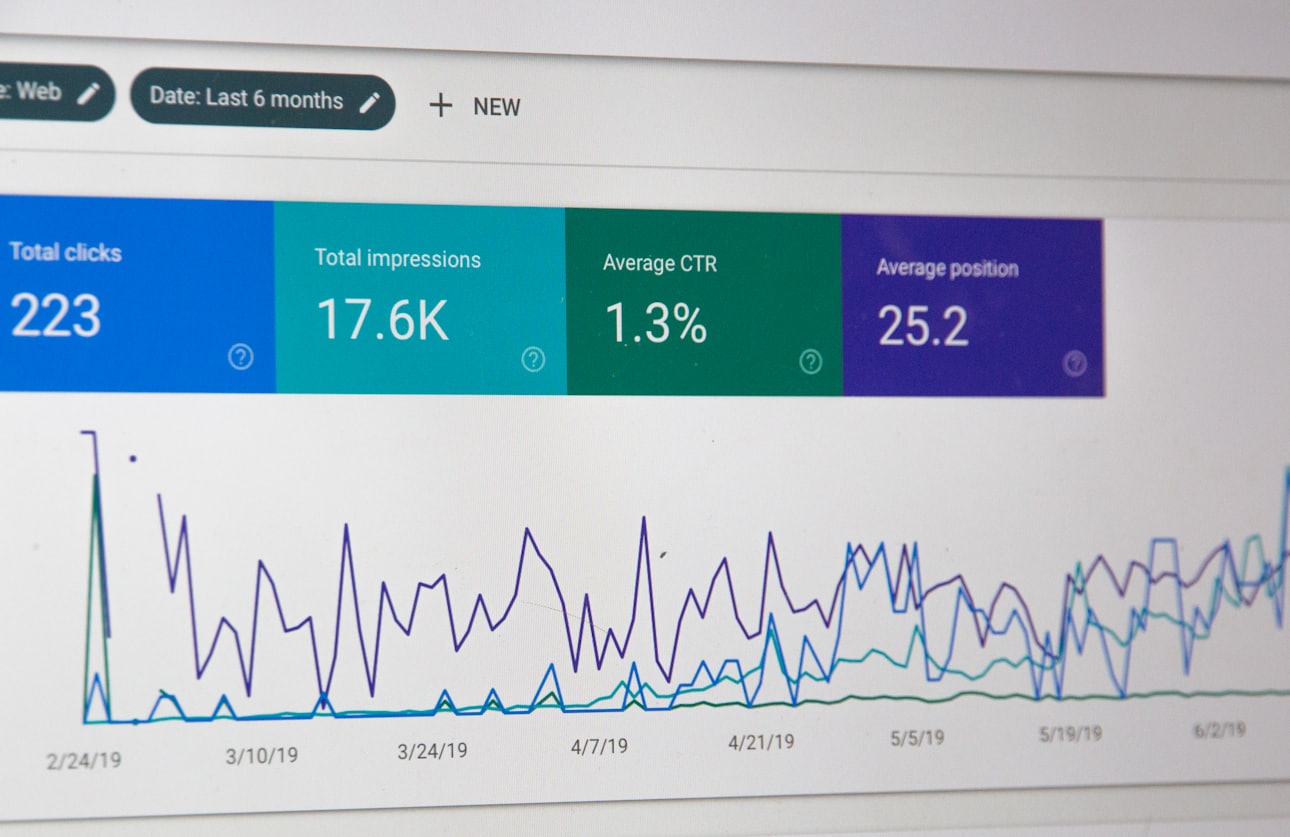
Rankings alone are a vanity metric. We tie them to sessions, conversions and pipeline value, so you can see the actual return — and we tell you plainly when a keyword is not worth chasing. The right question is never just whether you rank, but whether the ranking produced enquiries and revenue. A page sitting proudly at position one for a term nobody valuable searches is a trophy, not a result, and we would rather redirect the effort. Reporting that stops at rankings is comfortable but incomplete; the version worth paying for is the one honest enough to tell you when a hard-won position is not earning its keep.

Questions On This Topic
Short answers to what readers ask
Related Reading
All articles
Most content fails because it is produced to fill a calendar rather than to answer a question someone is actually asking. The fix is to start from demand.

Most stores respond to flat sales by buying more traffic. The cheaper win is almost always hiding in the checkout and page speed they already have.
Free consultation - find the right build for your business
Tell us what you're trying to achieve and we'll tell you what it takes. We review your current site, your market and your goals, then recommend a route — a new website, an online store, or an SEO programme — with clear scope and pricing before you commit.